
In This Week’s How’s The Market | Edition 167
5 Things I Check Before I Recommend ANY Property
A Camberwell Classic
5 Things I Check Before I Recommend ANY Property
In today’s market, where property prices are falling, you don’t have the luxury of throwing a dart blindfolded at a realestate.com map, buying any random property and then making money.
If you buy the wrong property, or don’t do your due diligence, there is a very real chance that you end up losing money or overpaying.
And when you’re spending over $1m, the cost of getting this wrong can be hundreds of thousands of dollars.
So here are 5 things I check before I recommend ANY property to a client – or even inspect them.
1. Easements
As buyer’s agents, we have access to data that the average buyer can’t get, which allows us to check if there are any easements over a property in seconds.
You can request a copy of the contracts from the agent prior to inspecting the property to check these yourself in the section 32 – or you can fill out an application with Before You Dig to get a utilities map of the property.
You want to make sure there are no easements cutting through the home or underneath areas like garages.
If there are, bring them up with a conveyancer before inspecting the property to understand implications.
A sewerage easement along a back fence line is most likely not going to cause any issues, but I’d rather know about it sooner rather than later.
2. Planning Reports
We use VicPlan Maps, which provide the same documentation that conveyancers include in section 32s.
Check the zoning and if there are overlays on the property, including but not limited to heritage overlays, special building overlays (flood zones) and bushfire overlays.
In many cases, these can be a single point of failure, and it’s free to check so I recommend doing it before you head to the open.
3. Social Housing Heatmaps
Again, as buyer’s agents, we have paid platforms which we can check this information on instantly; however, there are some free resources out there, including OpenStats that have interactive maps that show SA1 data.
If you are unfamiliar with an area, this is paramount in understanding pricing, demographics and safety across suburbs.
4. Comparable Sales
Always go onto mapview of realestate.com, use the filters to only show properties that have sold in the last 6 months and then zoom in on the property you are interested in and look at all the sales in the surrounding streets.
Knowing what properties in all sorts of conditions nearby have sold for recently is more important than what the quoted range is.
This will heavily dictate if inspecting a property is even worth your time.
Bonus points if you can find what they were quoted before they were sold.
If you’re looking at an apartment or unit – you must check the Domain Building Profile to see what past sales were in the building.
5. Floor Plans
Once you’ve looked at the macro aspects of the home, I will look at the floor plan before checking any of the photos.
You can find out a lot about a home by looking through this information.
I’m sure you already love looking at this to see which room will be yours and picture how you would live in the home, though here is how to analyse a floor plan like a pro and what you can check off:
- Orientation (usually listed)
- Room sizes – are the bedrooms above 3×3 or is there a bedroom at 2.3m wide?
- Built-in robes in all bedrooms?
- Linen cupboard?
- Heating & cooling listed?
- Dishwasher in the kitchen?
- Are the bedrooms sharing a wall or are they separated?
- Is the toilet in the bathroom or separate?
- Do you enter into a hallway or straight into a living room?
- Is there a separate study?
- For double-storey homes, is there a master downstairs?
- What direction does the living room face?
6. BONUS For Apartments
I always try to read a copy of the Owners Corporation Certificate as well as the minutes of the most recent Annual General Meeting prior to inspecting an apartment, as this is one of the most common reasons for apartments to fail due diligence.
When reading these, I check:
- What are the OC fees? Found in the OC certificate. There can be multiple certificates, so make sure to add the fees from them all up.
- Are there any special levies?
- Are there any maintenance items upcoming?
- Is there a building notice lodged against the building? E.g from Cladding Victoria…
- Are there any legal disputes ongoing within the complex? I’ve seen OCs suing residents, builders and OC management companies.
- What is listed in the AGM under General – this is where you will see what is happening within the complex and how it is managed.
Once you’ve ticked these off – then feel free to inspect and begin pricing due diligence.
Happy shopping!
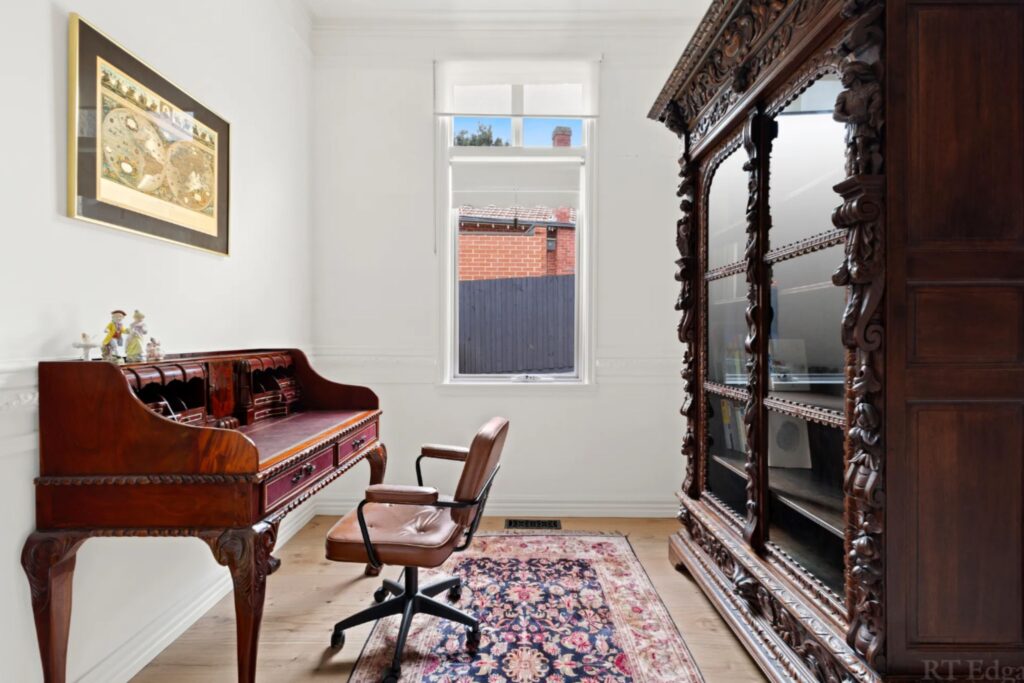
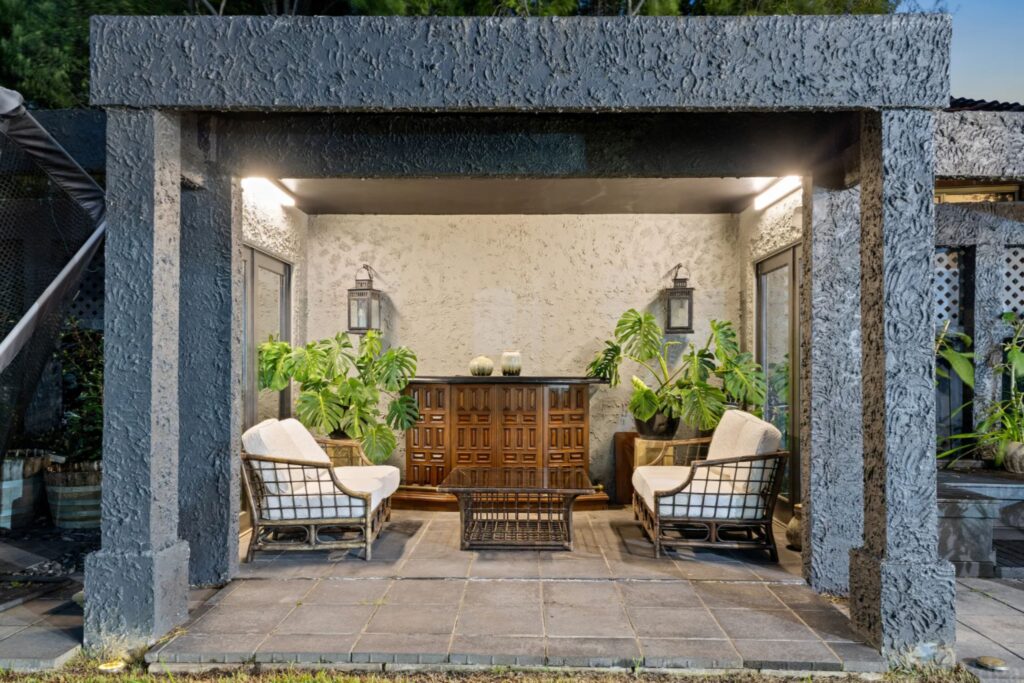
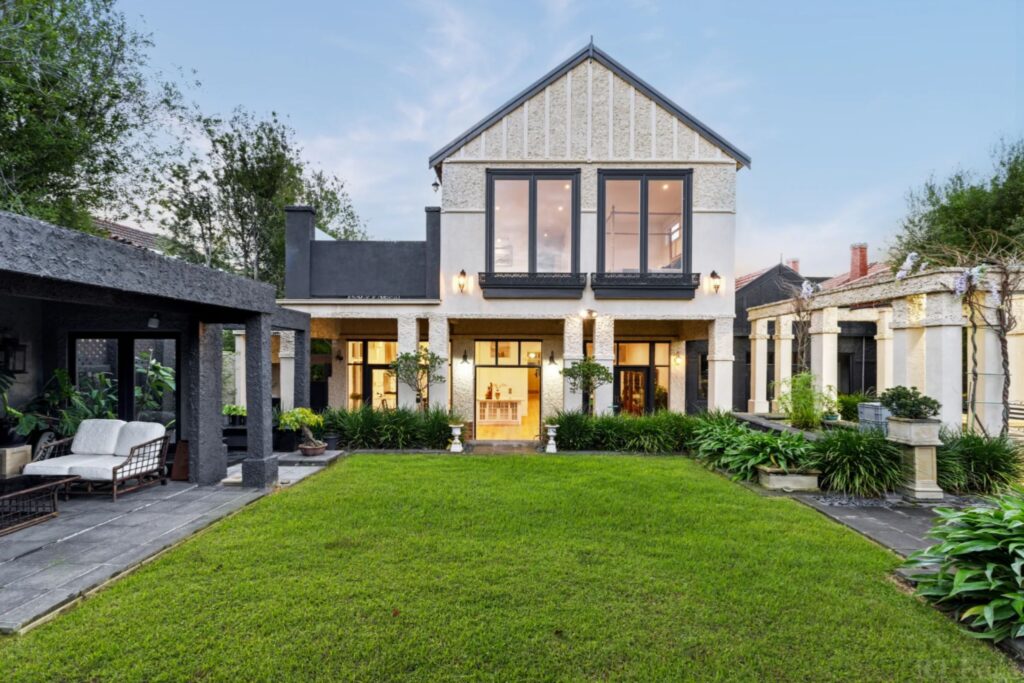
The Wow Factor!
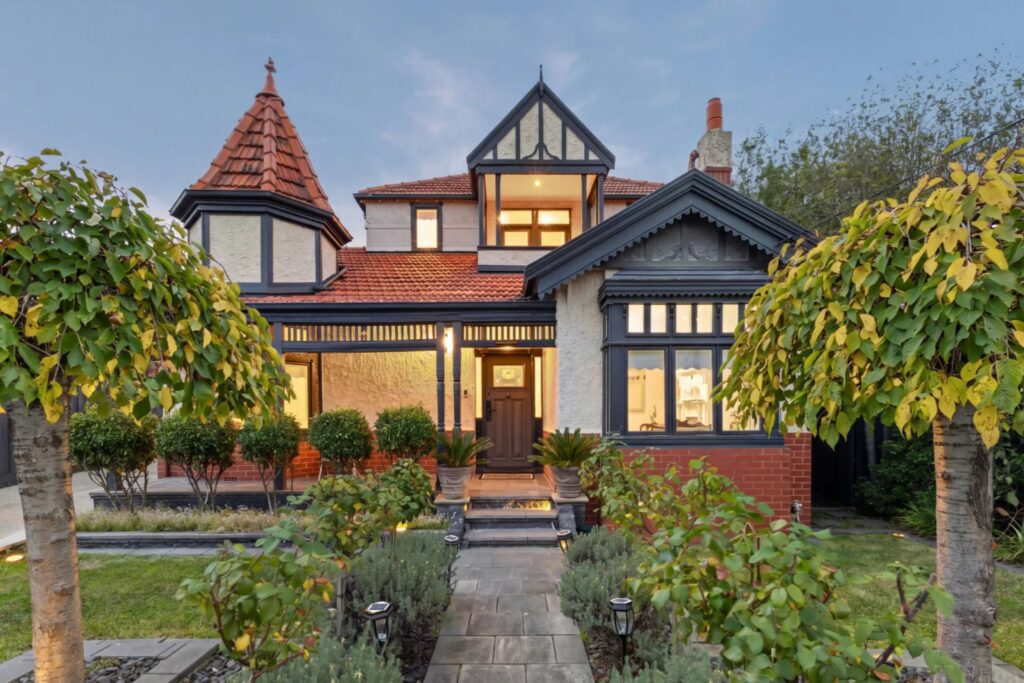
8 Wanawong Crescent, Camberwell, Vic 3124
Gorgeous Edwardian facade.
Why it WOWs:
- 785m2 of land in great spot of Camberwell
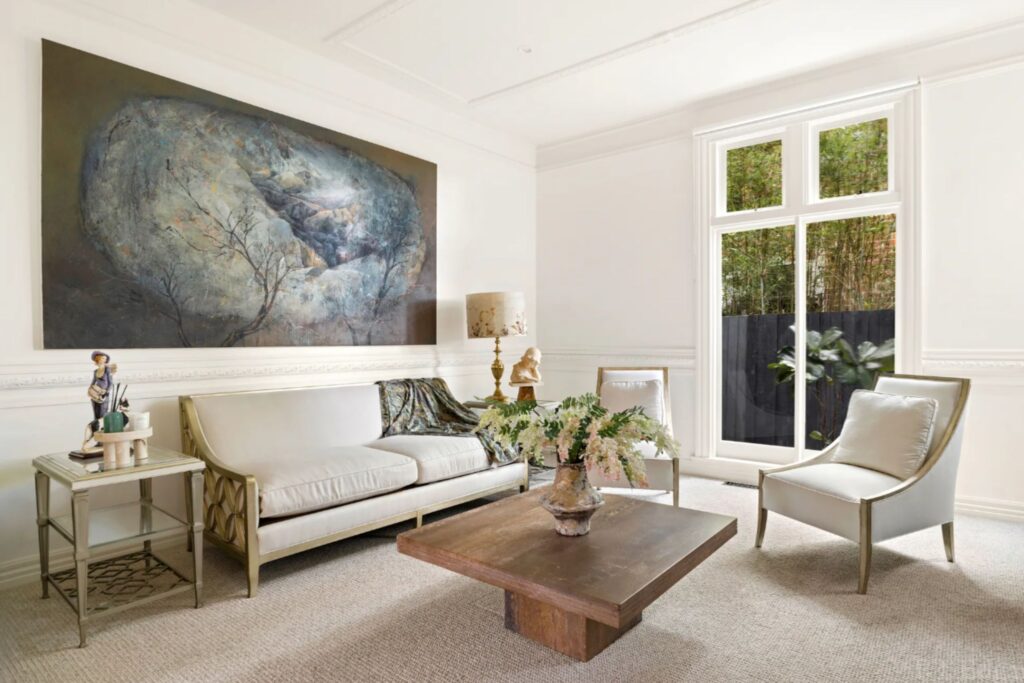
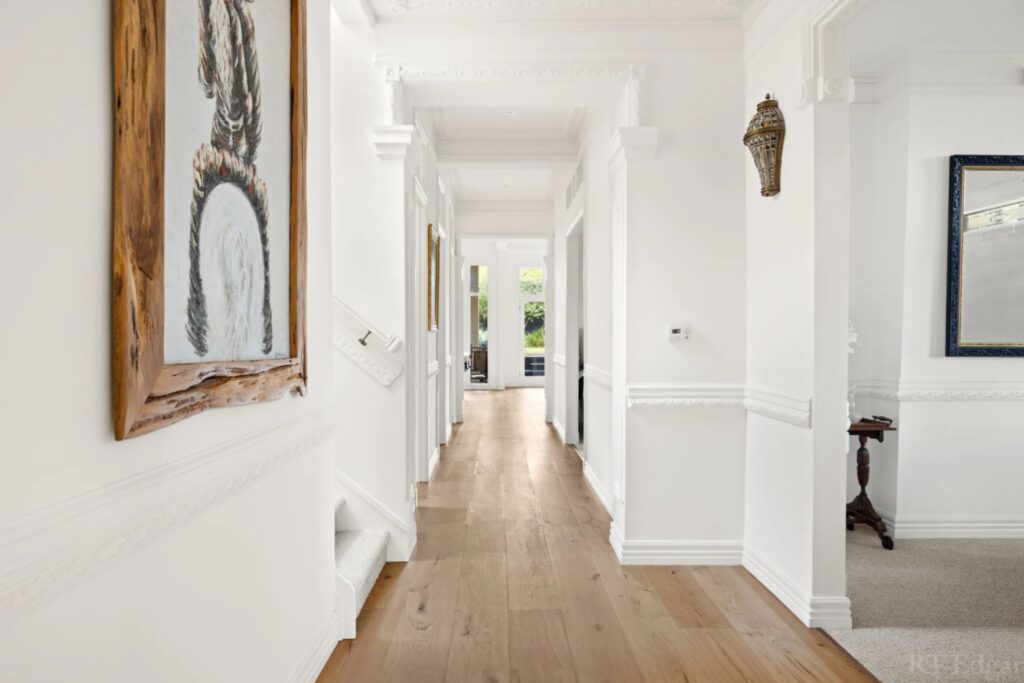
- Timeless elegance meets contemporary luxury
- 4 large living spaces
- Incredible indoor-outdoor flow
- Great floor plan with two master bedrooms
- Moments from Hartwell station
Price guide: $3,700,000 – $4,070,000
Final Thoughts
This is a checklist you can use to begin analysing properties like a pro before you head to the first inspection.
If you would like to see if the numbers could work for you, feel free to book a call, and we can discuss whether we can help.
Thanks for reading this far!
We value feedback and if you have any suggestions on what you would like covered in the future please email me at [email protected]
Happy Buying!
Note: This is general advice and does not take into consideration your objectives, situations or needs. Please consider if this advice is suitable for you and your circumstances and speak to a professional before making any financial decisions.